


Your Journey, Our Expertise...
Menu

Everest Expedition

17 Days • Hard • Best season: Autumn/Spring
Everest Expedition
Everest Expedition
Everest Expedition
Everest Expedition
Everest Expedition
Everest Expedition
Everest Expedition
Everest Expedition
Everest Expedition
Everest Expedition
Everest Expedition

Overview

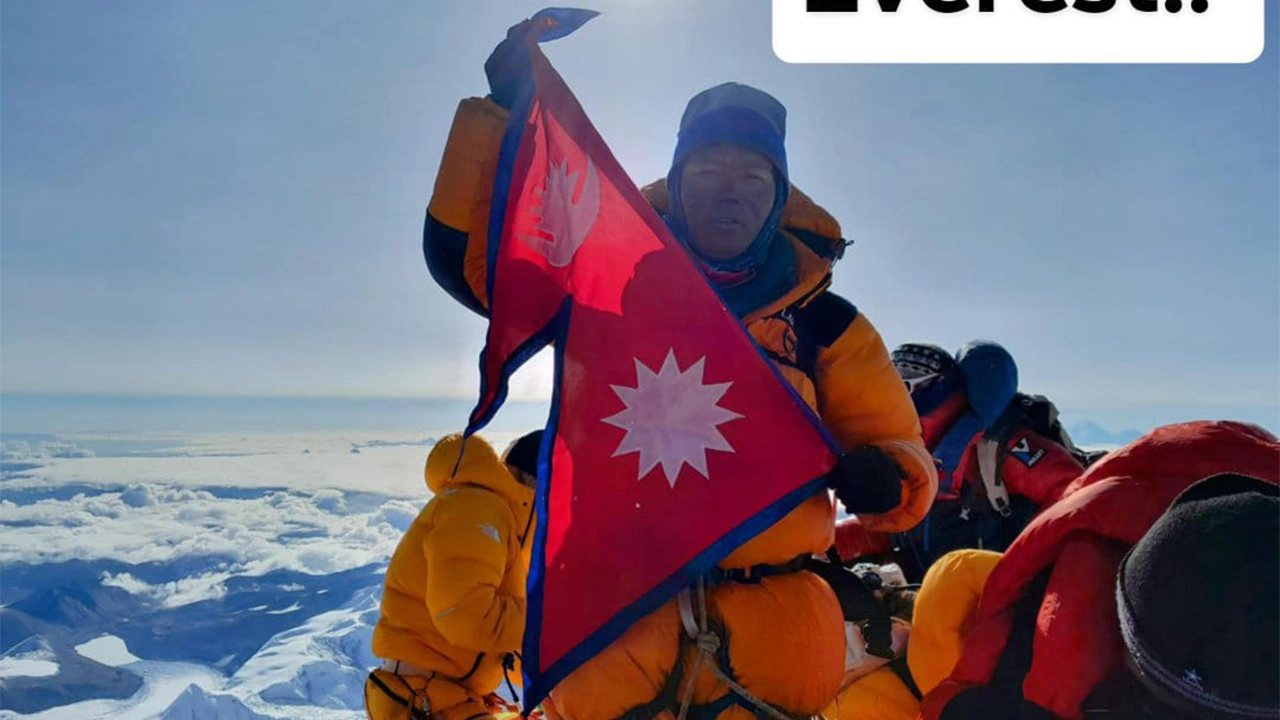
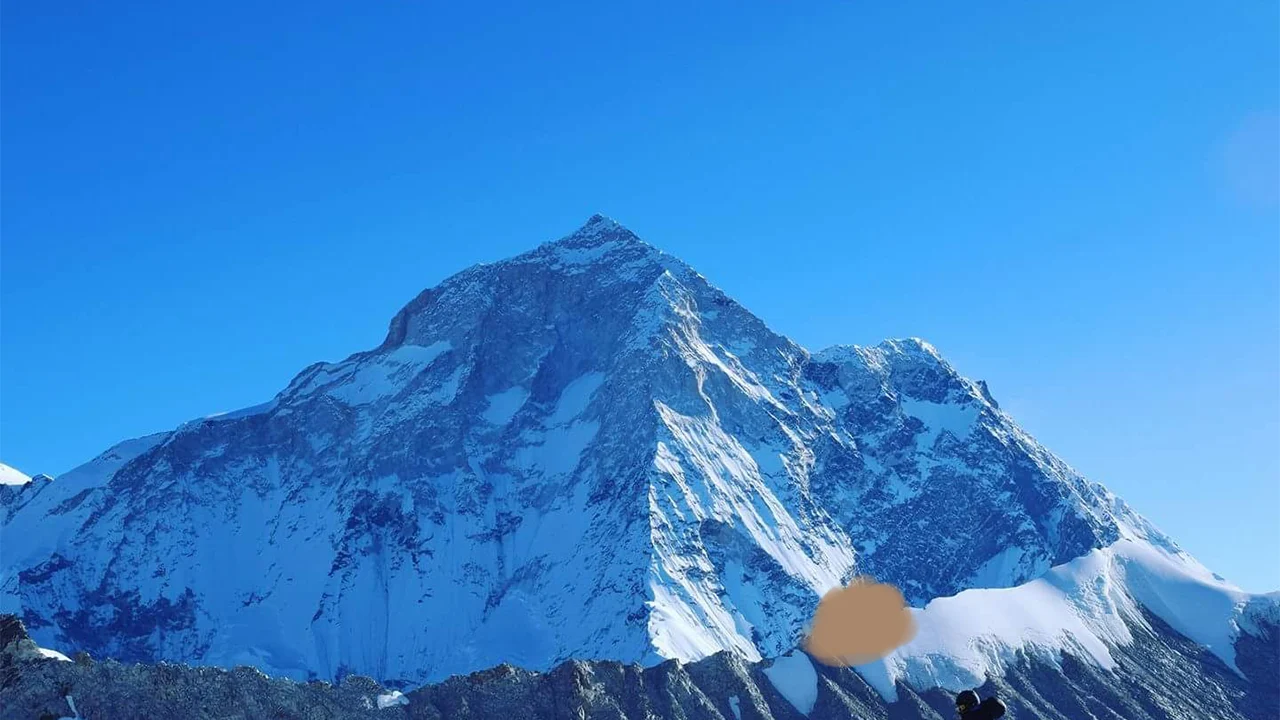
The Everest Expedition 63 Days is the ultimate adventure for mountaineers seeking to conquer the world’s highest peak, Mount Everest (8,848m). This extensive expedition is carefully designed for climbers who are well-prepared physically and mentally, offering ample time for acclimatization, high-altitude training, and summit preparation. The journey combines challenging mountaineering, trekking through iconic Himalayan landscapes, and cultural immersion in the Khumbu region of Nepal.

The expedition begins with your arrival in Kathmandu, Nepal’s capital, where you will be welcomed and briefed about the entire journey. Here, climbers have time to prepare gear, attend orientation sessions, and explore Kathmandu’s rich culture, including Thamel, Swayambhunath Stupa (Monkey Temple), and Pashupatinath Temple.

Following Kathmandu, climbers fly to Lukla, the gateway to the Everest region, and start trekking through Namche Bazaar, the Sherpa capital, and other villages such as Tengboche and Dingboche. This trek allows gradual altitude acclimatization, helping climbers adjust to the thin air and harsh conditions of the high Himalayas. Along the way, trekkers will experience the unique Sherpa culture, monasteries, and prayer flags, offering an immersive cultural experience.

The expedition route includes the iconic Everest Base Camp (5,364m), where climbers meet fellow adventurers and conduct high-altitude training. From here, the technical climb begins, passing through the Khumbu Icefall, Western Cwm, Lhotse Face, South Col, and finally the summit ridge. The ascent demands knowledge of ice climbing, crevasse navigation, rope techniques, and high-altitude survival skills, making this expedition suitable for experienced mountaineers.

Throughout the journey, safety and acclimatization are prioritized with rotation climbs, rest days, and supplemental oxygen use, ensuring climbers are well-prepared for the summit attempt. The expedition also provides opportunities to observe glaciers, moraines, and dramatic Himalayan landscapes, offering unmatched adventure photography and mountaineering experiences.

After achieving the summit of Mount Everest, climbers descend carefully via the same route, returning to Everest Base Camp, and then trek back to Lukla for a celebratory flight to Kathmandu. The expedition concludes in Kathmandu, where climbers can enjoy local cuisine, shopping, and cultural sites before departure.

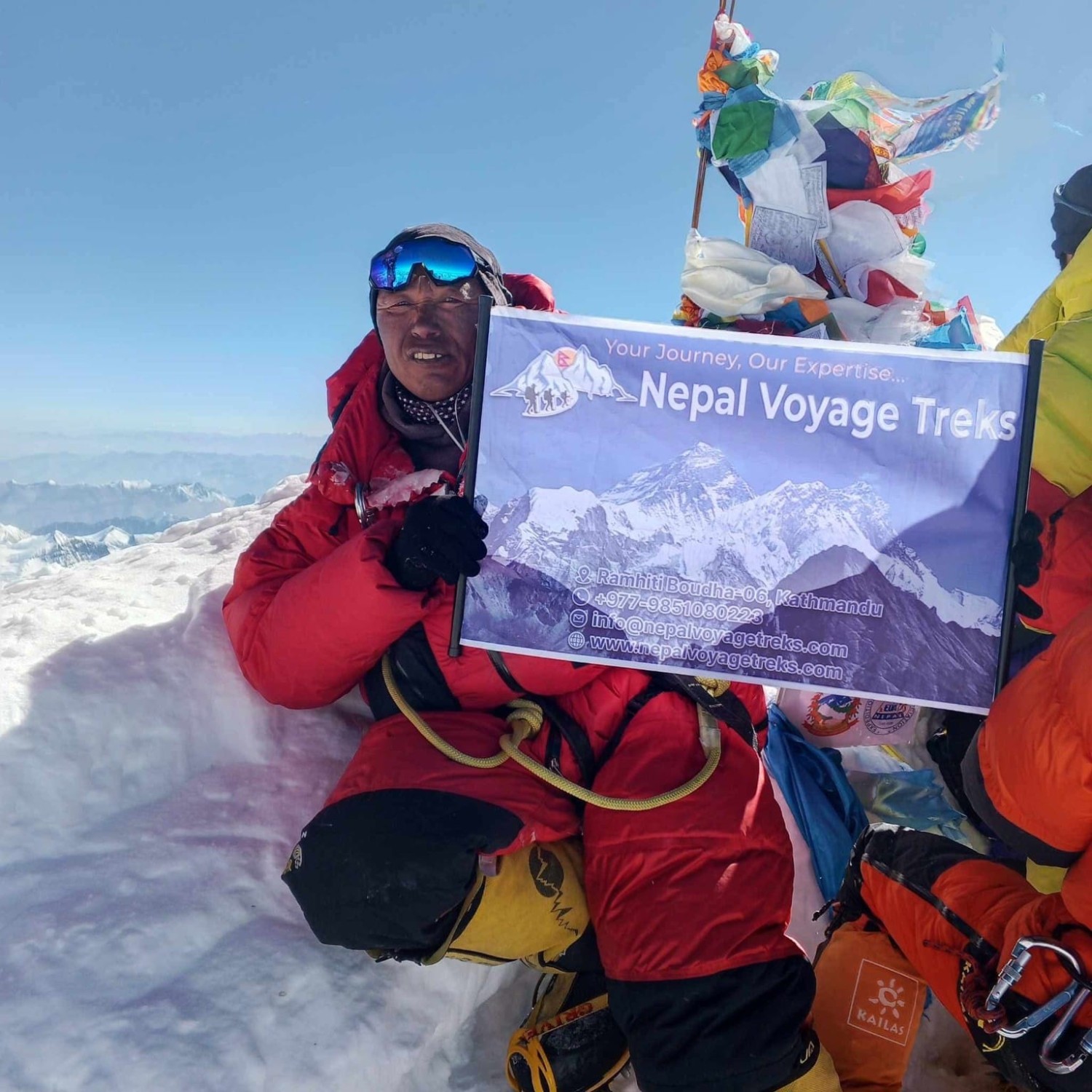
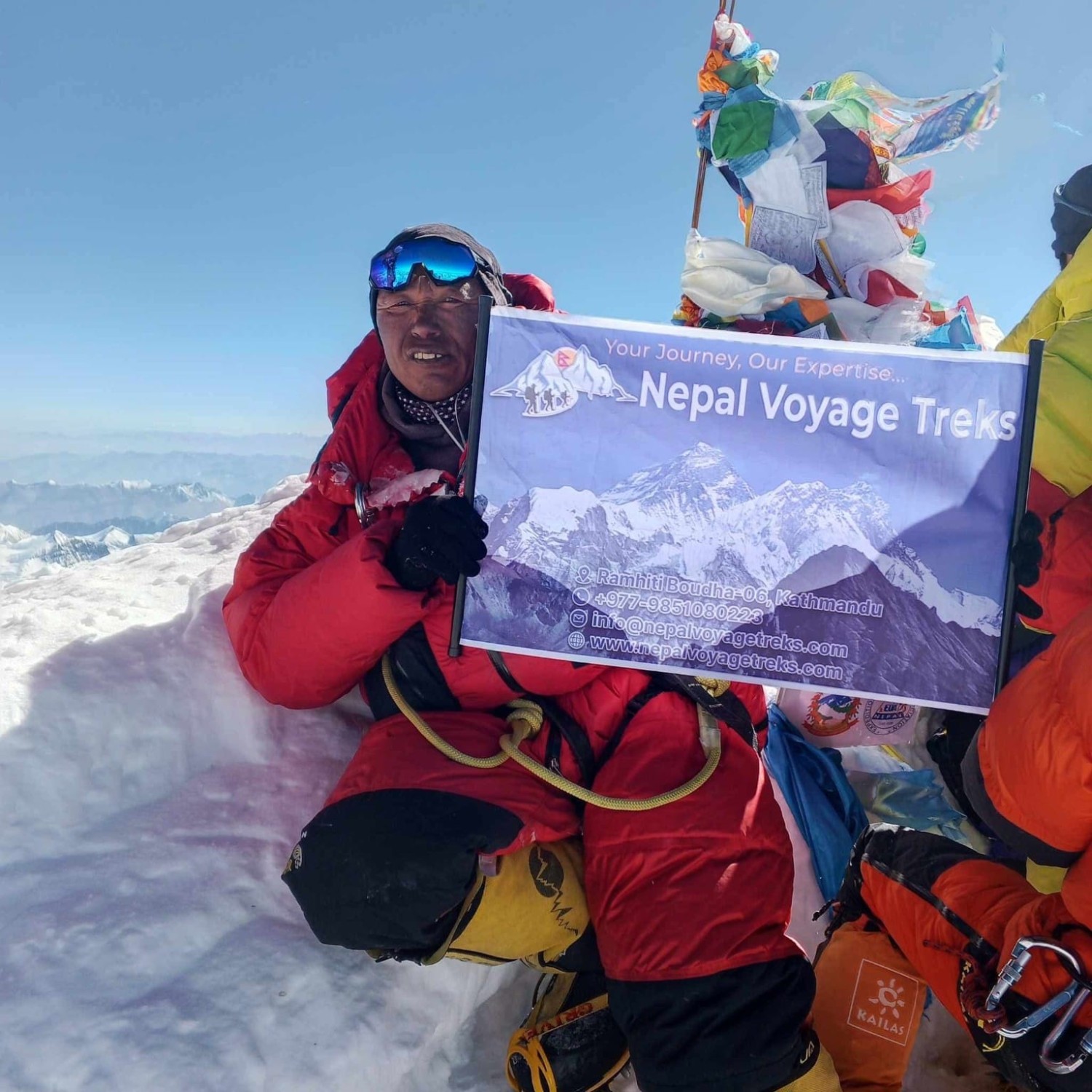
This 63-day Everest Expedition is a comprehensive package that blends extreme mountaineering, trekking, and cultural exploration, making it an unforgettable journey for serious climbers aiming to conquer the roof of the world. Key highlights include high-altitude trekking, summit of Mount Everest, Khumbu Icefall crossing, Sherpa culture immersion, and panoramic Himalayan views.

Everest Expedition 63 Days | Major Highlights

1. Complete 63-Day Everest Journey

Experience the full Everest Expedition, from Kathmandu to Everest Base Camp and summit. This is a comprehensive, long-duration climb designed for serious mountaineers seeking the ultimate Himalayan adventure.

2. Summit Mount Everest (8,848m)

Reach the world’s highest peak with the support of experienced Sherpa guides and supplemental oxygen. The itinerary includes full acclimatization rotations, Base Camp preparation, and high camp strategies for a safe summit attempt.

3. Khumbu Icefall & Technical Climbing

Challenge yourself on the iconic Khumbu Icefall, Lhotse Face, and Summit Ridge, using advanced mountaineering skills like ice climbing, rope work, and crevasse navigation.

4. Scenic Trekking Through Sherpa Villages

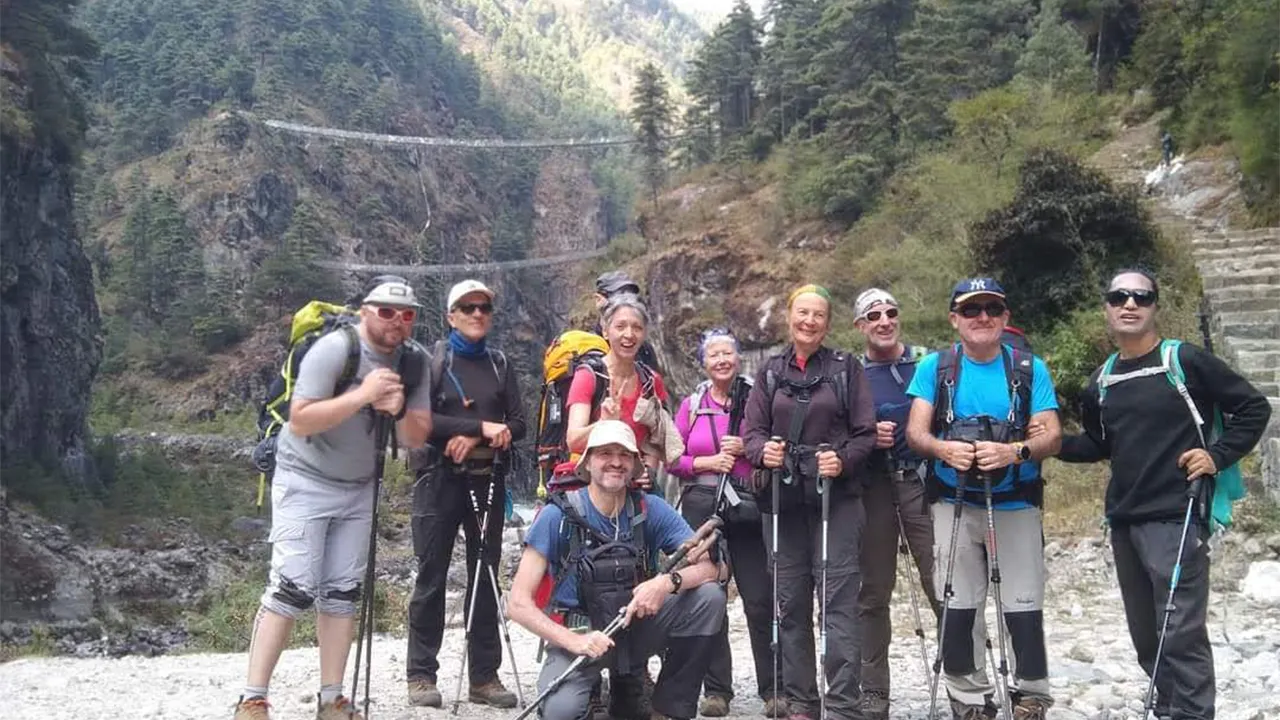
Trek through Namche Bazaar, Tengboche, Pangboche, Dingboche, and other traditional Sherpa settlements, experiencing authentic Himalayan culture, cuisine, and local hospitality.

5. UNESCO Sagarmatha National Park

Explore Sagarmatha National Park, a UNESCO World Heritage Site, home to unique Himalayan wildlife including red pandas, snow leopards, and Himalayan tahrs.

6. Himalayan Mountain Views

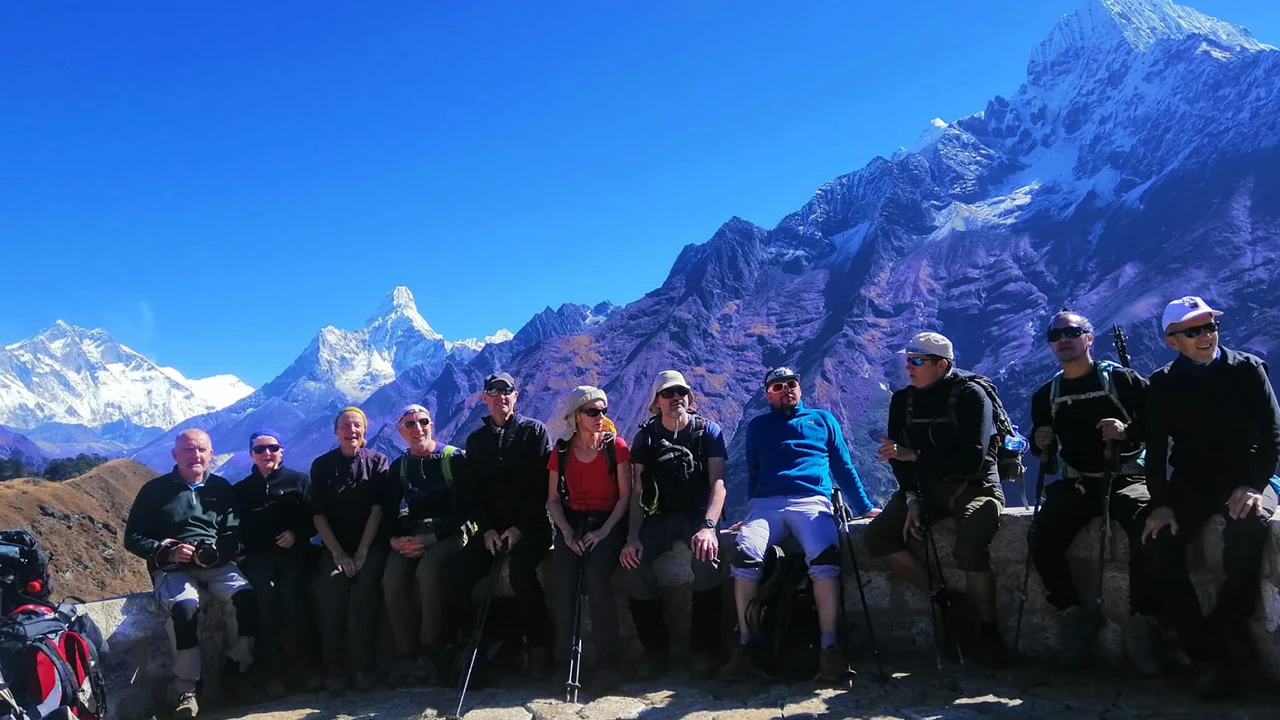
Witness panoramic views of iconic peaks like Lhotse, Nuptse, Ama Dablam, Cho Oyu, and many other 8,000m mountains. Early morning treks offer clear vistas of Everest and surrounding ridges.

7. Cultural & Spiritual Experiences

Visit Tengboche Monastery, Pangboche Monastery, and local religious sites, learning about Sherpa Buddhism and Himalayan traditions.

8. Professional Expedition Support

Benefit from Sherpa guides, high-altitude porters, liaison officers, and fully equipped base camp facilities, including dining tents, communication, and emergency medical support.

9. Optional Adventure Activities

Optionally, enjoy mountain photography, high-altitude training, and mini treks around Everest Base Camp for better acclimatization and stunning landscape shots.

10. Safety and Preparedness

Comprehensive safety measures include supplemental oxygen, high-altitude medical kits, evacuation plans, and pre-expedition briefings, ensuring climbers are well-prepared for extreme conditions and emergencies.

Everest Expedition

Trekking & Hiking Adventure

Duration 63 Days
Grade Hard
Meal B/L/D
Accomodation Hotel/Lodge/Camp Tent
Best Season Autumn/Spring
Start/End Kathmandu
Max Altitude 8848
Activity Mountain Expedition
Day 1 — Arrival in Kathmandu
Elevation 1350 m

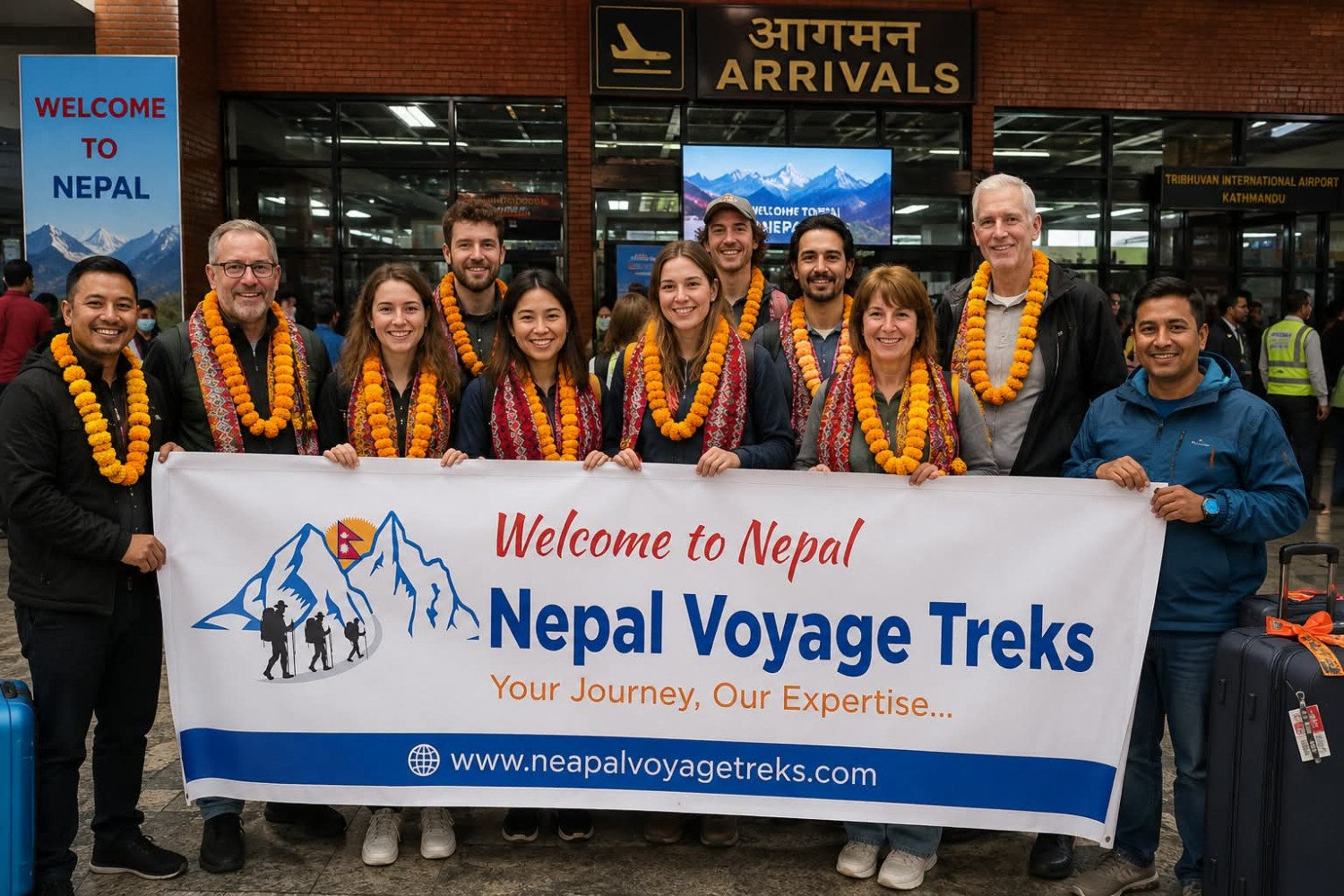
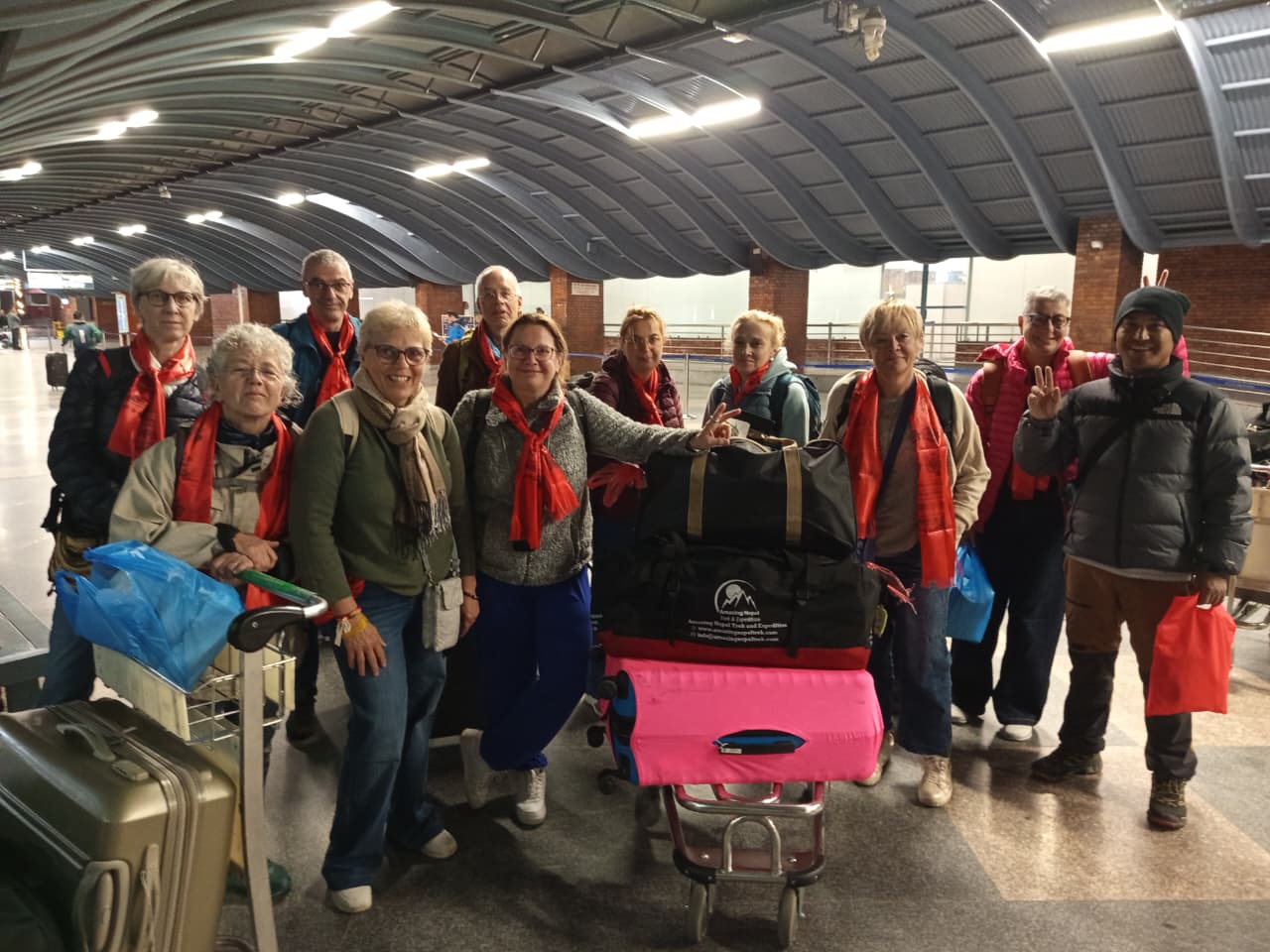
Upon arrival at Tribhuvan International Airport in Kathmandu, travelers are warmly welcomed by their guide and driver. After clearing immigration and collecting luggage, you’ll be transferred to your hotel in the city, where you can rest, refresh, and recover from your international flight. Depending on your arrival time, you may have the opportunity to explore the vibrant streets of Thamel, the main tourist hub, or enjoy a traditional Nepali meal at a local restaurant.

Kathmandu, the capital of Nepal, is a fascinating city that blends ancient culture with modern life. You’ll notice the bustling markets, colorful temples, prayer flags fluttering in the wind, and historic architecture as you walk through its streets. This day is primarily for adjusting to the city’s rhythm, resting, and preparing for your upcoming trekking adventure or sightseeing tour. Your guide will also provide a briefing on the trek ahead, including tips on packing, acclimatization, and local customs. Overnight stay is at a comfortable hotel in Kathmandu, offering a convenient base to begin your Nepal journey.

Accomodation: Hotel
Meals: Lunch & Dinner
Day 2-3 — Prepare Permits, Expedition Briefing, Gear Check, Shopping Etc.
Elevation 1350 m

After arriving in Kathmandu and settling in, the next two days are crucial for preparing your Everest Expedition. You’ll start by completing all necessary permits and paperwork, including the Sagarmatha National Park Permit and the TIMS (Trekkers’ Information Management System) card. These permits are mandatory for all climbers and trekkers entering the Everest region, and Nepal Voyage Treks staff will assist you to ensure everything is in order smoothly.

Once permits are secured, you’ll attend a detailed expedition briefing with your guides, Sherpa support team, and fellow climbers. The briefing covers route details, safety protocols, altitude sickness awareness, weather patterns, and acclimatization schedules. Next comes gear checks, where you’ll inspect and organize your technical climbing equipment, including ropes, crampons, harnesses, ice axes, and oxygen systems, making sure everything is in perfect condition for high-altitude conditions.

In addition, you’ll have time for shopping any last-minute essentials, such as energy snacks, trekking poles, warm layers, gloves, and high-altitude boots, available in Kathmandu’s specialized outdoor stores. This period is also an excellent opportunity to get familiar with your team, ask questions, and mentally prepare for the challenges ahead. By the end of these two days, you will be fully ready, confident, and equipped to begin your journey toward the world’s highest peak.

Accomodation: Hotel
Meals: Breakfast, Lunch & Dinner
Day 4 — Kathmandu/Lukla to Phakding
Ups ↑ 200 m
Elevation 2860 m

The adventure begins with a short but thrilling 30–35 minute flight from Kathmandu to Lukla (2,840 m). On clear mornings, the flight offers spectacular views of Langtang Himal, Gauri Shankar, and even Everest in the distance. Landing at the famous Tenzing-Hillary Airport is unforgettable, with its short sloping runway perched on the mountainside.

After a quick tea or breakfast stop in Lukla, the trek starts with a gentle descent through pine forests and terraced fields, leading into the Khumbu Valley. The trail follows the Dudh Koshi River, crossing several suspension bridges covered in prayer flags. Along the way, you’ll pass Chheplung village, with its first good view of Kusum Kanguru (6,367 m), and Thado Koshi, another riverside village.

Lunch is usually taken at Ghat (2,530 m), a small settlement decorated with mani walls, chortens, and prayer wheels. From here, it’s an easy walk of about an hour and a half to Phakding (2,610 m), a peaceful riverside village surrounded by pine trees. On clear days, you may spot Thamserku (6,608 m) above the valley.

The evening is spent in a cozy lodge, enjoying a warm meal and the sound of the Dudh Koshi rushing by.

Accomodation: Lodge
Meals: Breakfast, Lunch & Dinner
Day 5 — Trek from Phakding (2,610m) to Namche Bazaar (3,440m)
Ups ↑ 830 m
Down ↓ 000 m
Elevation 3440 m
Distance ⟺ 10-11 km

After breakfast in Phakding, the trail follows the Dudh Koshi River, passing small Sherpa villages like Tok Tok and Benkar, where you’ll enjoy views of Thamserku (6,608m) and Kusum Kanguru. Soon after, you’ll reach Monjo (2,835m), the gateway to Sagarmatha National Park, where permits are checked. From here, a short descent leads to Jorsalle (2,740m), the last settlement before Namche and the usual lunch stop, surrounded by pine and rhododendron forest.

After lunch, the path continues along the river until you reach the thrilling Hillary Suspension Bridge, one of the highest and longest bridges on the trek, decorated with colorful prayer flags. Crossing it marks the start of a steady uphill climb toward Namche. The ascent is challenging but rewarding, as midway up you may glimpse Mount Everest for the first time behind the ridge of Lhotse and Nuptse. Eventually, the trail opens into the natural amphitheater of Namche Bazaar (3,440m) — the vibrant Sherpa capital filled with tea houses, shops, and bakeries. Here, you’ll spend the night in a cozy lodge, resting for the acclimatization day ahead.

Accomodation: Lodge
Meals: Breakfast, Lunch & Dinner
Duration: 5-6 hours
Day 6 — Acclimatization in Namche Bazaar
Ups ↑ 170 m
Down ↓ 170 m
Elevation 3610 m
Distance ⟺ 5-6 km

Namche Bazaar is the Sherpa capital and a crucial stop for altitude acclimatization. The town is lively, built in a natural amphitheater with colorful houses, shops, bakeries, and internet cafés. After breakfast, trekkers often take a short walk to the Sherpa Culture Museum, where you can learn about local traditions, mountaineering history, and the famous Everest expeditions. For those wanting moderate exercise to aid acclimatization, a popular option is hiking to the Everest View Hotel (3,880m) or Syangboche Airport area (3,810m). Both spots offer breathtaking views of Everest, Lhotse, Nuptse, Ama Dablam, and Thamserku, making it a perfect opportunity for photos and mountain observation without a strenuous climb.

Lunch is typically enjoyed at a local tea house in Namche, with options like dal bhat, noodles, or fried rice, giving you energy for the afternoon. In the afternoon, you can stroll around Namche Bazaar’s main streets, visit small monasteries, mani walls, and prayer wheels, or simply relax and enjoy the Himalayan panorama from the town’s viewpoints. Staying in a cozy tea house overnight allows your body to adjust to the altitude, preparing you for the more challenging climbs ahead toward Tengboche and Dingboche.

Accomodation: Lodge
Meals: Breakfast, Lunch & Dinner</